
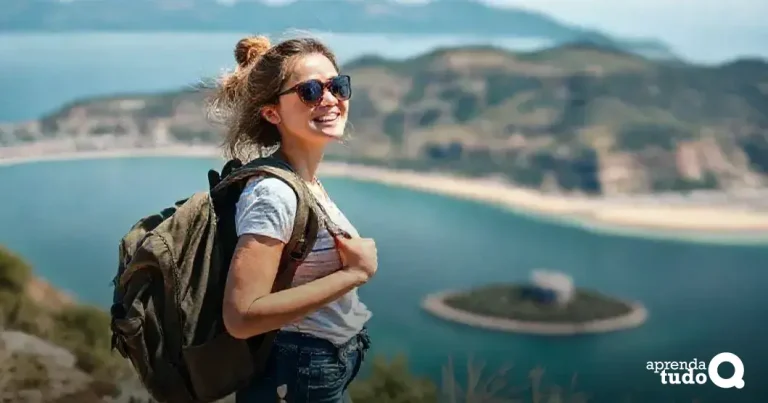
Solo Travel Safety Tips for Beginners are essential for anyone planning to explore the world alone. Knowing how to stay safe can make your trip more enjoyable and stress-free, even if it’s your first solo adventure.
From packing the right gear to understanding local customs, small precautions can have a big impact. Feeling prepared gives you confidence to navigate new places with ease and peace of mind.
If you want to uncover practical strategies to travel safely and make the most of your journey, keep reading. These tips will help you explore with confidence and enjoy every moment of your adventure.
Essential Gear for Solo Travellers
When traveling alone, having the right gear is crucial for staying safe. A sturdy backpack is essential for carrying your belongings securely. Look for one with multiple compartments to keep your items organized. A reliable lock for your backpack can also prevent theft while you explore.
Another must-have is a portable charger. Your phone is your lifeline for navigation and communication. Keeping it charged ensures you can always reach out for help or find your way. Consider a power bank that is lightweight and easy to carry.
Finally, don’t forget about a travel first aid kit. Accidents can happen, and being prepared is key. Pack basics like band-aids, antiseptic wipes, and any personal medication. Having these essentials can make your journey much smoother and safer.
Planning Your Itinerary Safely
Planning your itinerary is an important step for safe solo travel. Start by researching your destination. Know the areas that are safe to explore and those that are best to avoid. Make a map of your planned stops and ensure you have alternative routes in case of unexpected changes.
Next, keep your schedule flexible. Allow yourself extra time to explore and enjoy each destination. This way, if something goes wrong, you won’t feel rushed. Sharing your itinerary with a friend or family member can add an extra layer of security; they will know where you are and when to check in.
Lastly, always have a backup plan. This can be anything from having an emergency contact list to knowing where you can stay overnight if your plans change. Planning for the unexpected keeps your trip smooth and helps you feel more secure as you navigate through new places.
Staying In Touch with Loved Ones
Staying in touch with loved ones while you travel solo is essential for safety and peace of mind. Regular communication lets them know you are safe and helps ease worries. Use simple methods like texting or making quick calls to provide updates about your journey and location. This connection can be comforting for both you and your family.
Consider scheduling specific times to check in, so your loved ones know when to expect updates. This habit helps maintain strong ties even when you’re far away. Additionally, social media can be a fun way to share your experiences while keeping everyone informed about your travels.
In case of emergencies, make sure your loved ones have your travel itinerary and important contact details. This way, they can reach you or help in case something goes wrong. Being proactive about communication can significantly enhance your safety while solo traveling.
Understanding Local Customs
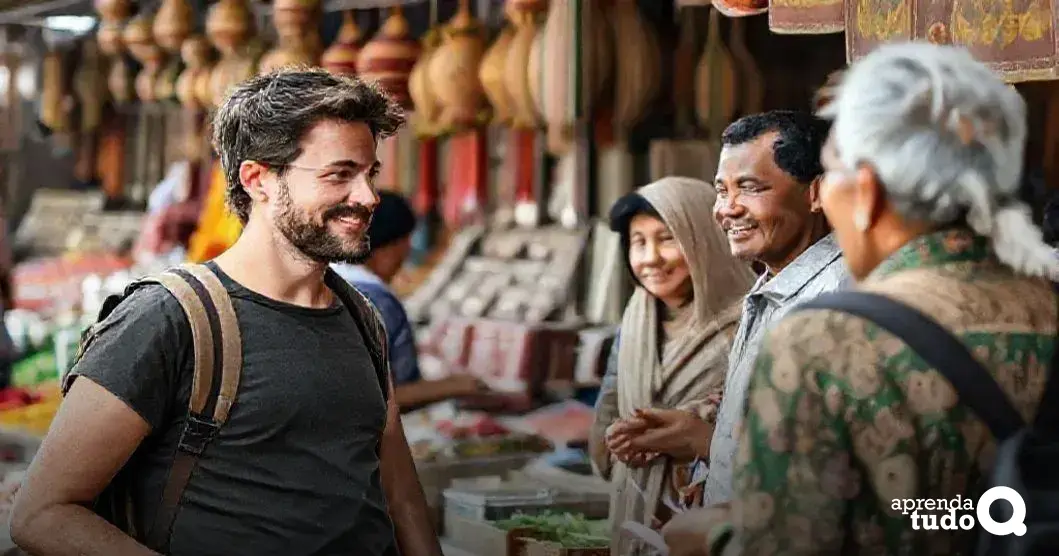
Understanding local customs is an important part of safe solo travel. Every culture has its own unique traditions and manners. For example, what is considered polite in one country may be seen as rude in another. Learning about these customs can help you avoid misunderstandings and show respect to the locals.
Before you visit a new place, do some research on their social norms. This can include greetings, dining etiquette, and dress codes. For instance, in some cultures, it is customary to remove your shoes before entering a home. Being aware of these details can enhance your travel experience and help you feel more comfortable.
Engaging with local people while respecting their customs can also increase your safety. When you follow local practices, you can build trust and create positive interactions. Locals are often more willing to help you if they see you are respectful of their way of life.
Accommodation Safety Tips
Choosing safe accommodation is a critical part of solo travel. Start by researching places that have good reviews and a strong reputation for safety. Websites can provide insights from other travellers. Look for accommodations that offer features like secure entrances and lockers for your valuables to help protect your belongings.
Once you arrive, always keep your door locked and use the deadbolt if available. When you check in, avoid discussing your room number or travel plans in public areas. This simple step can prevent unwanted attention and protect your privacy.
If you feel uneasy about your accommodation or the surrounding area, trust your instincts and consider finding a different place. Safety should always come first. Don’t hesitate to reach out to staff if you have concerns. They are there to help you and ensure your stay is secure.
Emergency Preparedness Basics
Being prepared for emergencies while traveling solo is key to staying safe. Start by creating a basic travel safety kit. This should include items like a first aid kit, a flashlight, and a portable phone charger. Having these essentials ready allows you to manage minor issues quickly and effectively.
Next, know the emergency numbers for the country you are visiting. This includes local police, fire, and medical services. Keep this information stored on your phone and also written down in your travel documents. Being able to access help quickly can make a big difference if something goes wrong.
Finally, it’s smart to have a plan for various scenarios. Think about what you would do if you lost your wallet, missed a flight, or faced a medical emergency. Share your plans with a trusted friend or family member back home. This way, they can assist you if you need support during difficult times.
Navigating Public Transportation Securely
Navigating public transportation can be a great way to explore a new city, but safety should always come first, especially when you’re traveling solo. Start by researching your options ahead of time. Know the routes, schedules, and which transports are the safest and most reliable for tourists. Familiarize yourself with local customs regarding how to board and exit vehicles.
When using public transportation, always keep your belongings secure. Use a crossbody bag that you can wear in front of you. Be mindful of pickpockets, especially in crowded areas. Stay alert and avoid getting too absorbed in your phone or map, as this can make you an easy target.
Finally, try to travel during peak hours when public transportation is busy, as there is safety in numbers. If you feel uncomfortable or unsure about a specific route, don’t hesitate to ask locals for advice. They can often provide valuable tips on safer ways to get to your destination.