
Low-Risk Investment Options for Small Budgets are a smart way to start investing without worrying too much about losing money. With safe choices, even a small amount can begin to grow steadily over time.
Options like savings accounts and government bonds let you keep your money protected while still earning some returns. These investments are perfect for anyone looking for financial stability without the stress.
Knowing these options helps you make smarter decisions for your financial future. Keep reading to see how small steps today can lead to meaningful growth for your money.
Understanding Low-Risk Investments
Understanding low-risk investments is crucial for anyone looking to grow their savings safely. These types of investments are designed to protect your initial amount while offering a modest return. They are ideal for those with small budgets who want to minimize their chances of losing money.
One common low-risk option is a savings account. These accounts offer interest on your deposits, allowing your money to grow without much risk. Another option is government bonds, which are loans you give to the government in exchange for a safe return over time.
By knowing the different low-risk investments available, you can make informed decisions about your financial future. This approach helps you stay comfortable with your investments while still working towards your goals. It’s important to choose options that align with your financial situation and risk tolerance.
Benefits of Low-Risk Investment Options
Low-risk investment options offer several benefits that make them attractive to those with small budgets. One main benefit is safety. Investors can feel secure knowing their initial capital is protected from major losses. This stability allows individuals to grow their savings without the stress of losing money.
Another advantage is the predictability of returns. Low-risk investments often provide steady, but modest, earnings. This means that investors can plan for their financial future with more confidence. Knowing what to expect helps small-budget investors set realistic financial goals.
Lastly, low-risk investments are generally easier to manage. With less volatility, investors can spend less time worrying about market swings. This simplicity makes it easier for anyone to invest, regardless of experience. It’s a great way to start building wealth while minimizing stress.
Top Low-Risk Investments for Beginners
For beginners, starting with low-risk investments can feel supportive and encouraging. One of the best options is a high-yield savings account. These accounts offer better interest rates than regular savings accounts, allowing your money to grow safely over time. It’s a simple way to get started without any risk.
Another top choice for beginners is government bonds. When you buy a bond, you are lending money to the government. In return, they pay you back with interest. These bonds typically have very low risk, making them an excellent option for new investors looking to build their portfolio.
Lastly, consider certificates of deposit (CDs). CDs allow you to put money away for a fixed period, like six months or a year, with guaranteed interest. The longer your money stays in a CD, the better the return. This makes it a perfect choice for beginners who want safe and predictable investments.
How to Diversify with Low Budgets

Diversifying your investments on a low budget is not only possible but essential for reducing risk. One great way to start is by splitting your money into smaller amounts for different investment types. For example, you might invest some in a high-yield savings account, while using a portion for government bonds. This way, your money is not all in one place, which can help protect you from losses.
Another effective method is to consider low-cost index funds. These funds let you invest in a range of stocks or bonds with a small amount of money. Even if your initial investment is low, you get exposure to many companies, allowing you to spread out your risk while still aiming for growth.
Finally, think about investing in fractional shares. Many platforms now allow you to buy portions of expensive stocks, meaning you can diversify even on a tight budget. This approach lets you own parts of different companies across various sectors, helping you build a balanced and diverse portfolio.
Common Mistakes in Low-Risk Investing
Common mistakes in low-risk investing can lead to missed opportunities or losses. One mistake is not performing enough research before choosing an investment. Beginners may rely on what others say or follow trends without understanding the details behind an investment. Always take time to learn about each option to make informed decisions.
Another frequent error is putting all your money into one investment. Even low-risk options can carry some risk. Spreading your money across different types of investments can help protect you from losing it if one option doesn’t perform well. Diversification is key to a balanced investment strategy.
Lastly, many investors overlook the importance of setting clear financial goals. Without specific goals, it can be hard to measure success in low-risk investing. Plan what you want to achieve and create a strategy that aligns with those goals. This will help keep you focused and on track as you grow your investments.
Comparing Returns on Low-Risk Options
Comparing returns on low-risk options helps investors understand where to place their money. High-yield savings accounts typically offer modest interest rates, making them a safe choice for those who want to keep their money secure while earning some income. However, their returns are often lower than other investment types.
Government bonds usually provide slightly higher returns than savings accounts. They are considered very safe because they are backed by the government. Understanding the maturity dates on these bonds is crucial, as they can affect the total return over time.
Certificates of deposit (CDs) often yield higher returns compared to both savings accounts and bonds. The longer the term of the CD, the better the interest rate will be. This makes CDs a great way to earn more for those who can set aside their money for a fixed period. When comparing returns, consider the terms and how long you can commit your investment.
Saving Strategies for Effective Investing
Developing effective saving strategies is key to successful investing, especially for those with small budgets. One successful approach is to set up an automatic savings plan. By arranging for a specific portion of your income to be automatically transferred to your savings account each month, you can build your investment fund without even thinking about it. This can be a great foundation for future investments.
Another strategy is to create a budget that allows you to cut unnecessary expenses. Review your monthly spending habits and see where you can save. It might be just a small amount each month, but these savings can add up over time. Using these extra funds to invest in low-risk options can help grow your savings steadily.
Additionally, consider using cash windfalls, such as bonuses or tax refunds, to boost your investment savings. Instead of spending these unexpected sums, put them straight into your investment accounts. This approach can give your savings a significant jump, allowing you to take advantage of low-risk investment opportunities more quickly.
Maximising Your Small Investment Returns
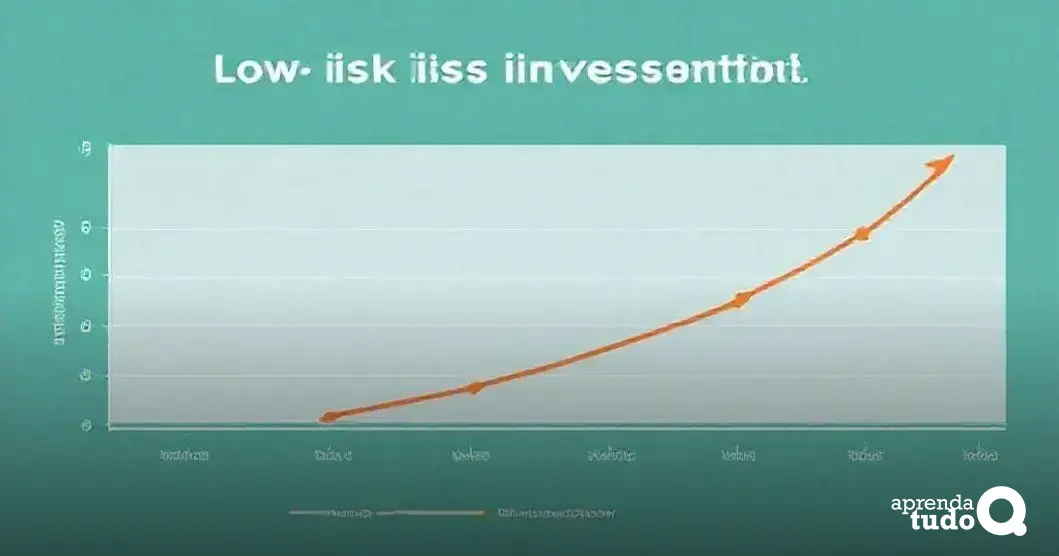
Maximising your small investment returns is crucial for building wealth over time. One effective way to achieve this is by regularly reviewing your investment options. By staying informed about interest rates and market trends, you can shift your money to higher-yielding accounts or products. Make it a habit to check your low-risk investments often to ensure you get the best returns possible.
Additionally, consider taking advantage of compound interest. This means that your earnings earn more money over time. To benefit from this, invest in options that offer interest or dividends regularly. Reinvesting these earnings can significantly increase the growth of your investment, turning small amounts into more substantial savings.
Lastly, don’t hesitate to diversify even within low-risk investments. By spreading your small investments across various accounts like savings, bonds, and CDs, you can maximise returns while keeping risks low. This strategy helps you capture different interest rates and returns, making your money work harder for you.