
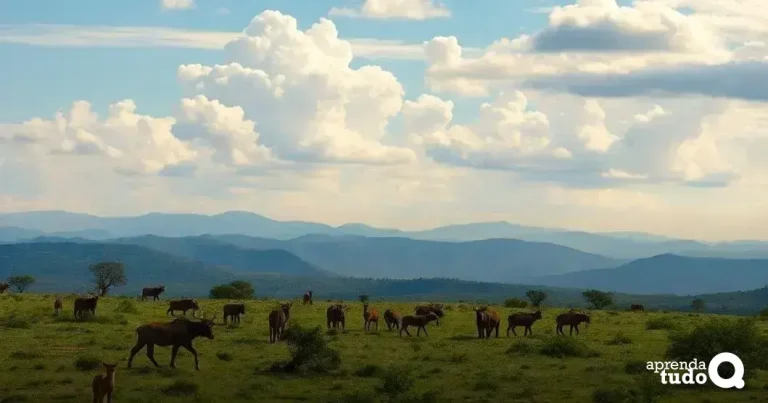
Engaging in ethical wildlife travel planning creates an impact on conservation and local communities. It allows us to create memorable experiences that respect nature and wildlife. Making informed choices will enhance your adventures while preserving the environment.
Choosing sustainable practices can lead to incredible opportunities for exploration and education during your travels. New insights await when you plan responsibly and support ethical initiatives.
Keep reading to discover how you can make your next wildlife adventure both exciting and meaningful.
Understanding Ethical Wildlife Travel
Understanding ethical wildlife travel means making choices that help protect animals and their habitats. It’s about respecting nature and supporting local cultures while exploring the beauty of wildlife. Selecting tours and activities that promote conservation ensures your trip contributes positively to the environment.
This travel approach focuses on reducing harm to wildlife and ecosystems. For example, choose operators that prioritize animal welfare and avoid activities that exploit animals. Engaging with local communities can also enhance your experience and provide them with vital support.
By committing to ethical wildlife travel, you have the power to influence positive changes in conservation. Each adventure becomes more than just a trip; it transforms into a journey that supports sustainability and protects the incredible creatures that share our planet.
Benefits of Sustainable Travel
Sustainable travel offers many benefits, both for the traveler and the environment. When you travel responsibly, you help preserve beautiful locations and protect wildlife. This approach also supports local economies, as your money goes directly to communities that rely on tourism.
Another great benefit is the unique experiences you gain. Choosing sustainable options often leads to more authentic encounters with local cultures. You get to learn from residents, taste traditional foods, and enjoy nature in a way that mass tourism cannot provide.
By practicing sustainable travel, you become a part of the solution to environmental challenges. This conscious choice makes it easier to cherish our planet’s beauty while ensuring it remains for future generations to enjoy.
Selecting Eco-Friendly Destinations
Selecting eco-friendly destinations is an important step in ethical wildlife travel planning. Look for places that prioritise conservation and sustainability. Many destinations promote eco-tourism, which means they actively protect wildlife and natural habitats while welcoming visitors.
When choosing your next adventure, consider locations that have received eco-certifications. These certifications show that a destination follows strict guidelines to protect the environment. Researching eco-lodges or green hotels is also a great way to find accommodations that support sustainable practices.
Engage with local tours that focus on wildlife and nature conservation. These tours often offer unique experiences and educate travelers about preserving ecosystems. By selecting eco-friendly destinations, you can enjoy your travels while actively contributing to the planet’s health.
Planning Itineraries with Wildlife Focus
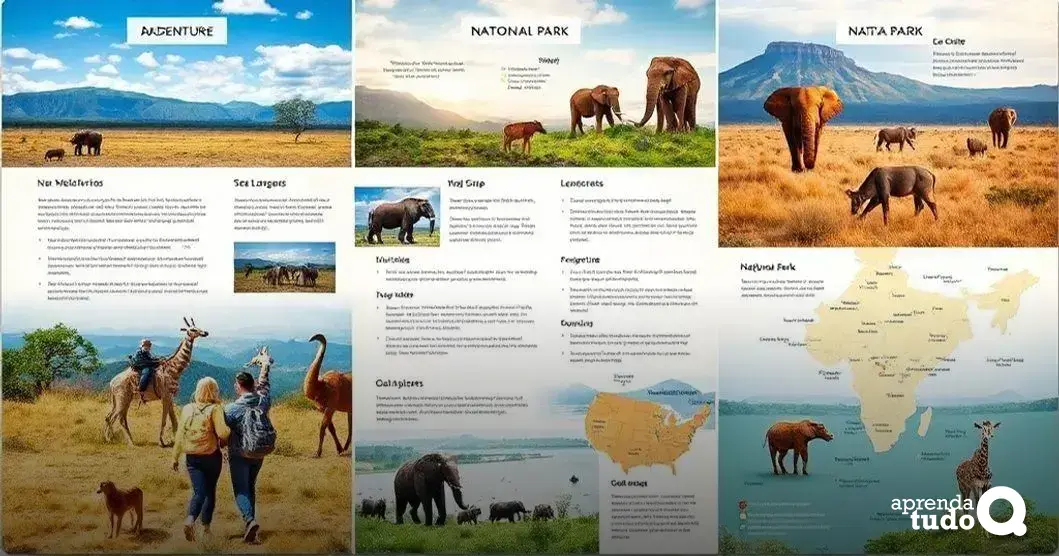
Planning itineraries with a wildlife focus requires thoughtful choices to ensure you make the most of your adventure. Start by identifying key wildlife destinations that align with your interests, such as national parks, wildlife reserves, or special habitats. Research the best times to visit, as this can greatly affect the chances of spotting various animals in their natural surroundings.
Next, consider adding diverse activities that highlight local wildlife. Guided tours, nature walks, or wildlife photography workshops can provide opportunities to learn more about animals and their habitats. Be sure to support responsible tour operators that prioritize animal welfare and conservation, as this enhances your travel experience.
Finally, leave room in your itinerary for unexpected wildlife encounters. Nature can be unpredictable, and allowing extra time for exploration can lead to amazing discoveries. By planning with a wildlife focus, you create a thoughtful journey that benefits both you and the environments you explore.
Engaging with Local Communities
Engaging with local communities is a key part of ethical wildlife travel planning. When you connect with local people, you gain valuable insights into their culture and traditions. This interaction also helps you understand how their lives relate to the wildlife and natural resources around them.
Supporting local businesses is another important aspect. Try to eat at local restaurants and shop at markets that sell handmade crafts. This not only boosts the local economy but also ensures that your travel dollars are making a positive impact. Local guides can enhance your experience by sharing their knowledge of the area and its wildlife.
Participating in community projects can be a rewarding way to give back. Volunteer opportunities, like wildlife conservation efforts or community development, allow you to contribute while you explore. By engaging with local communities, your travels become more meaningful and create lasting connections.
Wildlife Conservation Efforts
Wildlife conservation efforts play a vital role in protecting endangered species and their habitats. These efforts involve many actions, like creating protected areas, breeding programs, and anti-poaching initiatives. By supporting these efforts, we ensure that future generations can enjoy diverse wildlife and their natural environments.
Travelers can contribute to conservation by participating in eco-tourism. When you choose to visit wildlife reserves or conservation projects, your entry fees often go directly to protecting animals and their habitats. Additionally, you can support organizations that focus on wildlife research and rehabilitation to further aid these important causes.
Being a mindful traveler means raising awareness about wildlife challenges. Sharing your experiences and what you’ve learned can inspire others to care about conservation too. Together, we can make a difference and help protect the planet’s precious wildlife for years to come.
Choosing Sustainable Accommodations
Choosing sustainable accommodations is essential for ethical wildlife travel planning. Look for hotels or lodges that use eco-friendly practices, such as solar energy and water-saving systems. These places often focus on minimizing their impact on the environment while providing comfort for guests.
Researching accommodations that support local communities can also enhance your travel experience. Many eco-lodges employ local staff and source food from nearby farms. By staying in these places, you not only enjoy unique experiences but also help boost the local economy.
Don’t forget to read reviews and check for certifications that indicate sustainable practices, like Green Key or LEED. This will help you find truly responsible options. By choosing sustainable accommodations, you play a part in preserving wildlife habitats while enjoying your adventure.
Responsible Wildlife Viewing Guidelines
Responsible wildlife viewing guidelines help ensure the safety of both animals and people. Always keep a safe distance from wildlife and use binoculars or a camera with a zoom lens for a better view. Approaching animals too closely can cause stress and disrupt their natural behaviour.
Never feed wild animals, as this can change their behaviour and lead to dependency on humans for food. Feeding can also be harmful to their health and disrupt the natural balance of their environment. Always respect signs and guidelines provided by parks or reserves regarding wildlife interactions.
Finally, be mindful of your surroundings and avoid making loud noises or sudden movements. These can startle animals and lead to dangerous situations. By following these guidelines, you can enjoy your wildlife encounters while ensuring the well-being of the creatures you admire.
Tips for Reducing Your Travel Footprint
Reducing your travel footprint starts with choosing how you get to your destination. Consider using public transportation, like trains or buses, instead of flying. If you drive, carpooling with friends can also lower emissions and make your trip more enjoyable.
While traveling, try to eat locally sourced foods to support local farmers and reduce transportation impacts. Look for restaurants that prioritise sustainability and serve seasonal dishes. This not only benefits the environment but can also give you a taste of the local culture.
Finally, be mindful of your waste while traveling. Carry a reusable water bottle and shopping bag to cut down on plastic use. When possible, avoid single-use items and recycle when you can. Small actions make a big difference in reducing your travel footprint.