
Keeping track of your finances is vital for staying on top of your expenses. With the best financial apps for tracking expenses, managing money has never been simpler. These tools help you avoid overspending and better allocate your savings.
Many people struggle with budgeting and understanding their financial habits. The right app can make a significant difference in how you perceive your spending. Finding solutions tailored to your needs can lead to a worry-free financial experience.
Curious about enhancing your financial literacy? Keep reading to discover the best options available today.
Top Features of Financial Tracking Apps
The best financial apps for tracking expenses come with a variety of helpful features. One of the top features is the ability to sync with your bank accounts. This means that your expenses are automatically imported into the app, saving you time and effort. You won’t need to manually enter every transaction, making keeping track of your spending much simpler.
Another great feature is the easy categorization of expenses. Most financial apps allow you to sort your spending into categories, such as food, entertainment, and bills. This helps you see where your money is going. By understanding your spending habits, you can make better financial decisions.
Many financial tracking apps also offer budgeting tools. You can set limits for each category and receive notifications when you approach or exceed those limits. This helps you stay on track with your financial goals. With these features, tracking your expenses has never been easier.
Benefits of Using Expense Tracking Apps
Using expense tracking apps offers many benefits that can improve your financial health. One major advantage is that they help you understand your spending habits. By seeing where your money goes each month, you can identify areas where you might cut back. This awareness is the first step toward better money management.
Another key benefit is the ability to set financial goals. Expense tracking apps allow you to create budgets for different categories. By sticking to your budget and tracking your progress, you can save for things that matter most, like a vacation or a new gadget.
Expense tracking apps also enhance financial security. They can alert you to any unusual transactions, helping you catch potential fraud early. Plus, having all your financial information in one place makes it easier to prepare for taxes and track your financial progress over time.
Comparison of Popular Financial Apps
When comparing popular financial apps, it’s essential to look at the features they offer. For instance, Mint is well-known for its budgeting tools, allowing users to track expenses and set financial goals. In contrast, YNAB (You Need A Budget) focuses more on proactive budgeting, encouraging users to plan their spending ahead of time. Each app provides unique support for different financial habits and needs.
Another crucial factor to consider is the user interface. Apps like PocketGuard offer a clean and simple design. This makes it easy for anyone to navigate their financial data quickly. On the other hand, Personal Capital provides a detailed investment tracker, which can be beneficial for users looking to manage their assets effectively.
Pricing is also an important aspect when comparing these apps. While some apps are free, others like YNAB charge a monthly fee. However, many users find that the investment is worth it due to the support and features. Understanding these differences can help you choose the best financial app for your needs.
User Reviews of Expense Tracking Apps
User reviews of expense tracking apps show a wide range of experiences. Many users praise apps like Mint for their user-friendly interface. They appreciate how easy it is to set budgets and track spending. Positive reviews often highlight the app’s ability to sync with bank accounts, which helps users stay on top of their finances without manual entry.
However, not all reviews are glowing. Some users of YNAB mention that the learning curve can be steep. They feel it takes time to understand how to use every feature effectively. Yet, many agree that once they learn the app, it helps them manage their money better. This mixed feedback shows that, while some apps may need more time to learn, their benefits can be significant.
Another popular app is PocketGuard, which users rave about for its simplicity. People love its feature that shows how much money is available after bills and goals are considered. Users often remark that this makes budgeting easier. Overall, reading user reviews is helpful when choosing the right expense tracking app for your needs.
How to Choose the Best Financial App
Choosing the best financial app requires you to think about what you need. Start by listing your goals, such as tracking expenses, budgeting, or saving for something special. Different apps focus on different areas, so knowing what you want is key. For example, if you want to save money, find an app that helps you set specific savings goals.
Another factor to consider is how easy the app is to use. Look for a clean design that makes navigation simple. Many users prefer apps that allow you to sync with bank accounts and automatically track expenses. Reading user reviews can help you identify which apps have the best user experiences.
Finally, think about your budget for using the app. Some financial apps are free, while others require a subscription. Consider whether the features offered justify any costs. Look for free trials that let you explore the app before committing. This way, you can find the best fit for your financial needs without overspending.
Setting Up Your Expense Tracker
Setting up your expense tracker is a straightforward process that starts with downloading your chosen financial app. After installation, create an account using your email and a secure password. Most apps will guide you step-by-step through the setup process, asking for basic information about your finances. This may include linking your bank accounts, which allows the app to automatically track your expenses.
Next, categorize your expenses to better understand your spending habits. Most expense tracking apps offer pre-set categories like groceries, utilities, and entertainment. Customizing these categories to suit your lifestyle, such as adding a category for dining out or subscriptions, can help you see where your money goes. This awareness enables you to make informed decisions about your spending.
Don’t forget to set budget limits for each category. By doing this, you can manage your finances more effectively and avoid overspending. Review your budget each month and make adjustments based on your spending patterns. Regularly checking in on your expense tracker will help you stay on track and reach your financial goals.
Maximising Budgeting with Financial Apps
Maximising your budgeting with financial apps starts with setting clear financial goals. Begin by defining what you want to achieve, whether it’s saving for a holiday, paying off debt, or building an emergency fund. Most budgeting apps allow you to set specific targets, helping you track your progress over time. This clarity makes it easier to stay motivated and focused on your financial journey.
Using the app’s budgeting features effectively can lead to better financial management. Many apps allow you to create custom budgets. By allocating funds to different spending categories, like groceries and entertainment, you can control your spending more easily. Some apps also send notifications when you approach your budget limits, which helps you make smarter decisions in real time.
Another way to maximise budgeting is to regularly review your spending habits. Financial apps often provide graphical reports that show your spending patterns. By analysing these reports, you can identify areas where you might cut back. The insight gained from these apps enables you to adjust your budget as needed, ensuring you stay on track to meet your financial goals.
Security Features in Financial Tracking Apps
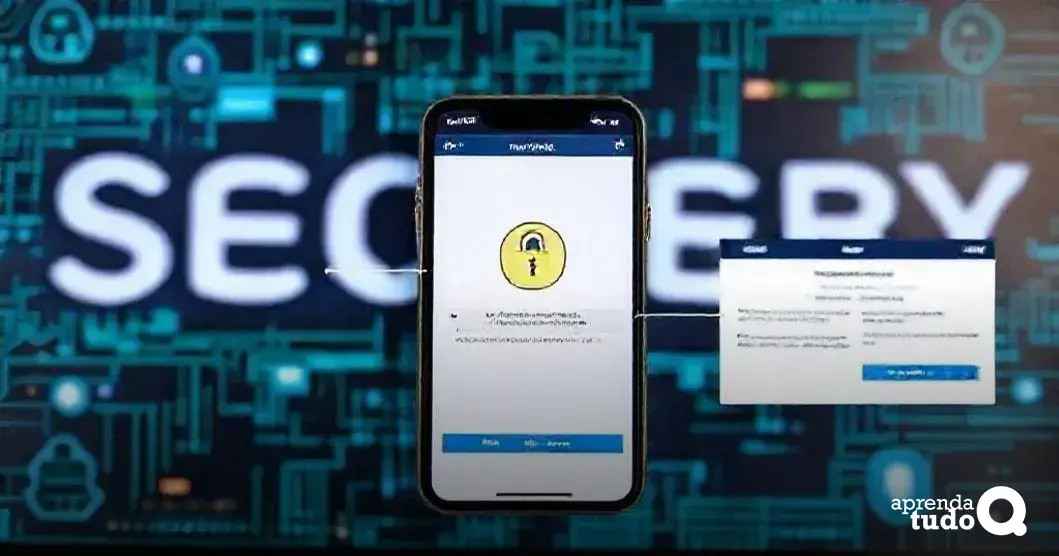
The security features in financial tracking apps are crucial for protecting your personal information. Most reputable apps use strong encryption to safeguard your data. This means that your financial details are coded, making it hard for anyone to access them without permission. When choosing an app, look for features that highlight their dedication to security, such as bank-level encryption.
An additional security layer often found in these apps is two-factor authentication (2FA). This feature requires you to verify your identity using a second method, such as a text message code or an authentication app, in addition to your password. By using 2FA, you add an essential step that helps prevent unauthorized access, making your account much safer.
Many financial tracking apps also include features that monitor your account for suspicious activity. If anything unusual is detected, you’ll receive an alert, allowing you to take immediate action. This proactive approach to security not only protects your personal and financial details but also gives you greater peace of mind while managing your money.