Understanding how to organize personal finances is crucial for financial stability. Managing your money effectively can lead to a stress-free life. With the right approach, anyone can master their personal budgeting.
Setting financial goals and adhering to a budget can make a significant difference. Knowing where your money goes each month is essential to make informed decisions.
From establishing a budget to investing wisely, there are many ways to enhance your financial health. Keep reading to discover how to take control of your finances and build a brighter financial future!
Understanding Personal Finance Basics
Understanding personal finance basics is the first step to managing your money effectively. It involves knowing how to budget, save, and spend wisely. Everyone should learn these important skills to secure their financial future.
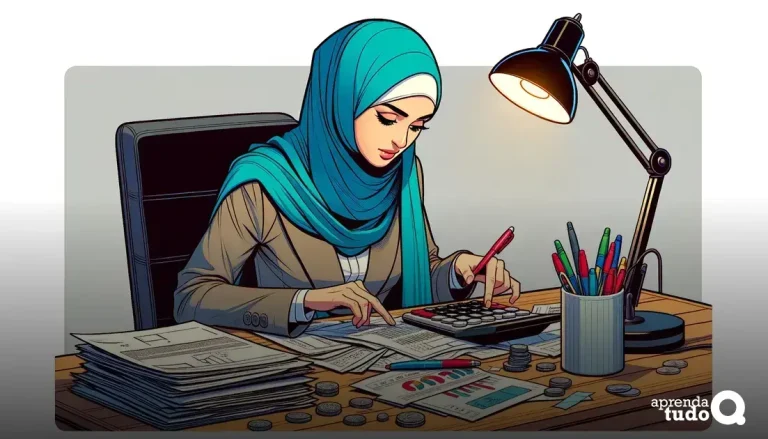
One key aspect is creating a budget. A budget helps you track your income and expenses. By knowing how much money you have and where it goes, you can make better spending choices and save for your financial goals.
Another important part of personal finance is saving. Setting aside money for emergencies is crucial. It ensures that you are prepared for unexpected expenses, which can help you remain financially stable and stress-free.
Setting Financial Goals
Setting financial goals is important for managing your money wisely. Goals give you something to work towards, whether it is saving for a new car, a vacation, or retirement. By defining what you want to achieve, you can create a clear plan to get there.
Start by making your goals specific and realistic. For example, instead of saying you want to save money, aim to save a certain amount each month. This way, you can track your progress and stay motivated as you see your savings grow.
Don’t forget to set both short-term and long-term goals. Short-term goals can be things like paying off credit card debt, while long-term goals might include buying a house. Balancing these will help you stay focused and organized as you work towards your financial dreams.
Creating a Budget Plan
Creating a budget plan is a key step to managing your money better. A budget helps you see how much money you have coming in and going out each month. This makes it easier to make smart choices about your spending and saving.
Start by listing all your income sources, such as your salary or any side jobs. Then, note down your essential expenses, like rent, food, and transportation. Once you have this information, you can see how much money you have left to spend or save after covering the basics.
It’s helpful to review your budget regularly. This way, you can adjust it if your financial situation changes or if you find ways to save more. A well-planned budget is a great tool to help you reach your financial goals.
Tracking Your Spending
Tracking your spending is essential for taking control of your finances. By keeping an eye on where your money goes, you can identify unnecessary expenses. This helps you stick to your budget and reach your financial goals faster.
One easy way to track spending is by using a spending journal. Write down every purchase you make, big or small. You can also use apps that automatically track your expenses. These tools can help you see patterns in your spending habits, making it easier to adjust your budget.
Review your spending regularly, like once a week or month. This allows you to reflect on your choices and see if you need to cut back in some areas. Being aware of your spending will help you make better decisions and improve your financial health.
Saving for Emergencies

Saving for emergencies is an important part of managing your finances. Unexpected events, like car repairs or medical bills, can happen anytime. Having a savings fund ready can help you handle these situations without going into debt.
Start by setting a savings goal for your emergency fund. A common recommendation is to aim for three to six months’ worth of living expenses. This amount can provide a safety net, helping you feel more secure and prepared for any surprises life throws your way.
Make saving for emergencies a regular habit. You can set up automatic transfers from your checking account to your savings account each month. Even small amounts can add up over time, making it easier to reach your goal while staying on track with your finances.
Investing Wisely
Investing wisely is a smart way to grow your money over time. Rather than letting your savings sit in a bank account, well-thought-out investments can help you build wealth. The key is to understand the different types of investments and find what works best for you.
Start by researching options like stocks, bonds, and mutual funds. Stocks are shares in companies, while bonds are loans you give to companies or the government. Mutual funds combine many investors’ money to invest in various assets, giving you instant diversity.
Always consider your risk tolerance before making investments. If you prefer safer options, you might choose bonds or funds with lower risks. On the other hand, if you’re comfortable with taking risks, stocks could offer higher rewards. Remember, it’s important to stay informed and review your investments regularly to ensure they align with your goals.
Managing Debt Effectively
Managing debt effectively is crucial for maintaining good personal finance. It’s important to understand how much you owe and to whom. Keep a list of your debts, including interest rates and due dates, to help you stay organised and on track.
One effective strategy for managing debt is the “debt snowball” method. This means focusing on paying off your smallest debts first while making minimum payments on larger ones. Once the small debts are cleared, use the money you were spending on them to tackle the next smallest debt. This approach can build momentum and motivation as you see debts disappear.
Also, avoid taking on more debt while you are paying off your current obligations. Try to stick to your budget and limit new purchases. If you’re struggling, consider reaching out to a financial advisor or a credit counselling service for support. Remember, staying proactive about your debt can lead to financial freedom.
Using Financial Tools
Using financial tools can make managing your money much easier. There are many apps and programs designed to help you budget, track expenses, and save. These tools can simplify your financial life and keep you informed about your spending habits.
One popular type of financial tool is budgeting apps. These apps allow you to categorize your expenses and set spending limits. Some even send reminders when you approach your budget limits or help you visualize your spending with charts and graphs. Using these tools regularly can help you stick to your budget and avoid overspending.
Another useful tool is online banking, which often includes features for managing your money. With online banking, you can pay your bills, transfer funds, and check account balances from anywhere. Many banks now offer spending analysis tools that can show you where your money is going, helping you make smarter financial decisions.
Reviewing and Adjusting Plans
Reviewing and adjusting your financial plans regularly is essential for staying on track with your goals. Life can change quickly, and so can your financial situation. By taking the time to review your budget, savings, and investments, you can ensure they still align with your needs and priorities.
About once every few months, sit down and analyze your financial plans. Look at your income, expenses, and any changes in your life, like a new job or a move. If you find areas where you are overspending or not saving enough, make adjustments. This might mean changing your spending habits or shifting some savings towards more urgent financial goals.
Also, remember that financial plans are not set in stone. As your life evolves, your plans may need to change too. Staying flexible will help you navigate challenges and seize opportunities. Regularly adjusting your strategies can lead to long-term success in managing your personal finances.