
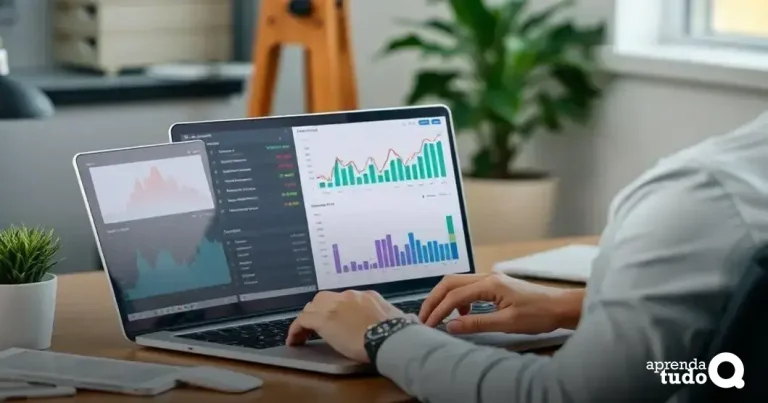
Micro-Investing for Freelancers is a practical way to start building wealth without needing large sums of money. For those with flexible incomes and busy routines, investing small amounts can feel much more achievable and far less intimidating.
This approach fits perfectly into the freelance lifestyle, allowing you to grow your money gradually while focusing on your projects. With the right mindset and tools, even spare change can turn into long-term financial progress.
If you want to take control of your finances, build smarter habits, and make your income work for you, keep reading and see how micro-investing can become part of your everyday routine.
Understanding Micro-Investing
Micro-investing is a smart way for beginners, especially freelancers, to start growing their money. It allows you to invest small amounts, often as little as R10 at a time, into stocks and bonds. This makes investing affordable and accessible, even if you don’t have a lot of extra cash.
One of the greatest benefits of micro-investing is that it teaches you about investing without needing a large sum of money. You can learn while you grow your savings. This is ideal for freelancers, as income can be unpredictable and often comes in small amounts. Micro-investing fits perfectly into this lifestyle.
Many apps and platforms make micro-investing easy to manage. They help you track your investments and show how your money is growing. With just a few taps on your phone, you can buy small shares in companies. This way, you are building a better future while still focusing on your freelance work.
Benefits of Micro-Investing for Freelancers
Micro-investing offers freelancers a flexible way to grow their money without the pressure of a large upfront investment. It allows them to invest small amounts regularly, making it easier to build savings over time. This method fits well with the unpredictable income of freelancers, as it does not require a set amount every month.
Another benefit of micro-investing for freelancers is the opportunity to diversify their investments. By investing small amounts in different companies or assets, they can reduce risk. This approach helps protect their finances, especially when freelancing can be uncertain.
Micro-investing also encourages freelancers to develop better saving habits. When they see their investments growing, it motivates them to save more. This can lead to financial stability, giving freelancers peace of mind and allowing them to focus on their work without constant worry about money.
How to Start Micro-Investing
Starting micro-investing is easy, even for freelancers with busy lives. First, you need to choose a micro-investing app that suits your needs. Many options allow you to open an account with little money. Look for one that offers features like automatic round-ups or low fees, so you keep more of your earnings.
Once you’ve set up your account, it’s time to decide how much you want to invest. Start with small amounts you can afford to put aside regularly. Many apps allow you to set up automatic contributions, making it simple to stay consistent. Even a small investment can grow over time, helping you build a stronger financial future.
Next, explore the investment options available on the platform. You may find various funds or stocks to invest in, all with different levels of risk. Choose a mix that you feel comfortable with. You can always adjust your investments as you learn more about micro-investing. The key is to begin and take small steps towards growing your wealth.
Best Micro-Investing Platforms
Choosing the right micro-investing platform is key to your success as a freelancer. One popular option is Acorns, which rounds up your purchases and invests the spare change automatically. This makes it easy to save without thinking about it. Acorns also offers portfolios tailored to your goals and risk levels, which is perfect for beginners.
Another great platform is Stash, which allows users to start investing with as little as R10. Stash helps you learn about investing by offering educational resources. You can choose from a variety of stocks and ETFs, giving you the freedom to create a portfolio that reflects your interests and values.
Lastly, consider Robinhood, which has gained popularity for commission-free trading. This platform offers a simple user interface and allows freelancers to invest in stocks and cryptocurrencies. Robinhood is perfect for those who want to explore a wide range of investment options without paying extra fees.
Strategies for Success in Micro-Investing
To succeed in micro-investing, start by setting clear financial goals. Decide what you want to achieve with your investments, such as saving for a trip or building an emergency fund. Having specific goals helps you stay focused and motivates you to contribute regularly, even in small amounts.
Another important strategy is to stay informed about your investments. Monitor market trends and read up on the companies or funds you are investing in. This knowledge will help you make better decisions. Don’t be afraid to adjust your investments based on new information or changes in your personal goals.
Lastly, practicing patience is key in micro-investing. Understand that building wealth takes time, and small, consistent investments can add up. Resist the urge to sell at the first hint of a loss. Instead, focus on the long-term growth of your investments for the best chances of success.
Common Mistakes to Avoid
One common mistake in micro-investing is not doing enough research before investing. Many freelancers might be tempted to invest based solely on trends or friends’ recommendations. It’s important to understand what you’re investing in and how it fits into your financial goals. Take the time to learn about the companies or funds you choose.
Another mistake is not being consistent with contributions. Some freelancers may invest a little and forget about it, thinking that’s enough. However, regular, small investments can lead to significant growth over time. Set up automatic contributions to ensure you stay on track and build your savings steadily.
Lastly, losing patience can hurt your investment journey. Many people panic when their investments do not perform well immediately. Remember, micro-investing is about long-term growth. Avoid the temptation to sell at the first sign of trouble and keep your focus on your financial goals.
Tips for Maximising Returns
To maximise returns in micro-investing, consider diversifying your investments. Don’t put all your money into one stock or fund. By spreading your investments across various companies and sectors, you reduce risk and increase your chances of higher returns. This strategy can help balance out any losses you might experience in one area.
Another tip is to regularly review and adjust your portfolio. As a freelancer, your financial goals may change over time. Periodically check in on your investments to ensure they align with your current needs and risk tolerance. Don’t hesitate to make changes if a particular investment isn’t performing as expected.
Lastly, take advantage of compound interest. The sooner you start investing, the more time your money has to grow. Set up automatic contributions to ensure you are consistently adding to your investments. Even small amounts contribute to compound growth, which can lead to significant returns down the line.