
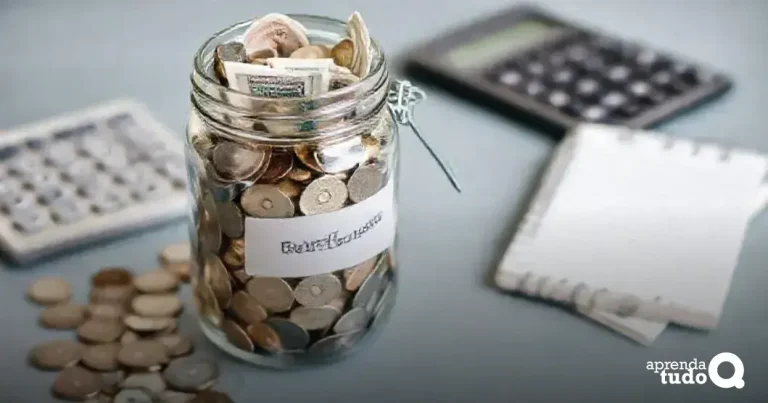
How to Build an Emergency Fund from Scratch is something more people are trying to figure out, especially with how unpredictable life can be. Starting from zero may seem daunting, but with the right approach, you can create a solid safety net without feeling overwhelmed.
Understanding your money, your habits, and your priorities makes the whole process much more doable. Small, consistent steps are what truly move the needle, even if your budget feels tight right now.
If you want a simple, practical way to start building your emergency fund and finally feel more secure financially, keep reading. There’s a lot here that can make this journey much easier for you.
Understanding the Importance of an Emergency Fund
Understanding the importance of an emergency fund is vital for everyone. Life can be unpredictable, and unexpected expenses can pop up at any time. Whether it’s a medical bill, car repair, or job loss, having a safety net can help you manage these challenges without falling into debt.
An emergency fund provides peace of mind. Knowing you have savings set aside can reduce stress when life throws you a curveball. This fund acts as a cushion, allowing you to face unforeseen situations with confidence, instead of panic.
Lastly, an emergency fund encourages smart financial habits. It motivates you to save consistently and helps you budget better. When you prioritize saving for emergencies, you build a foundation for financial stability and future goals.
Assessing Your Current Financial Situation
Assessing your current financial situation is the first step to building an emergency fund. Start by listing your income sources, such as your salary, any side jobs, or rental income. Knowing exactly how much money you have each month helps set a clear budget.
Next, evaluate your monthly expenses. Write down essential costs like rent or mortgage, utilities, groceries, and transportation. Don’t forget to include any discretionary spending, like eating out or subscriptions. Understanding where your money goes is key to spotting areas where you can save.
Finally, look at any debts you owe, such as credit cards or loans. Make a note of your total debt and monthly payments. This gives you a complete picture of your finances. With this information, you can decide how much you can realistically save for your emergency fund.
Setting a Realistic Savings Goal
Setting a realistic savings goal is crucial when building an emergency fund. Start by deciding how much money you want to have saved. A common target is three to six months’ worth of living expenses. This amount gives you a solid cushion for unexpected situations.
Next, break your savings goal into smaller, manageable parts. If your goal is to save R12,000, aim for saving R1,000 each month. This way, it won’t feel overwhelming, and tracking your progress will be easier. Small achievements motivate you to keep going.
Lastly, consider your income and expenses when setting your timeline. Ensure your savings plan fits smoothly into your budget. If R1,000 seems too high, adjust it to a lower amount that feels right for you. It’s important that your savings goals are both challenging and attainable.
Choosing the Right Savings Account

Choosing the right savings account is an important step in building your emergency fund. Look for an account that offers a good interest rate. This means your money will grow over time, helping you reach your savings goal faster. A higher interest rate can make a big difference in how much you save.
Next, consider the fees associated with the account. Some accounts have monthly fees or minimum balance requirements. Choose an account that has low or no fees, so you can keep more of your savings. Every rand counts when you’re trying to build an emergency fund from scratch.
Finally, think about accessibility. You will want quick access to your emergency fund when you need it. Look for accounts that allow easy withdrawals or transfers. Some banks even offer online banking options, making it simple to manage your savings anytime.
Automating Your Savings Contributions
Automating your savings contributions is a smart way to build your emergency fund. By setting up automatic transfers from your main account to your savings account, you make saving easier. This ensures that you pay yourself first before spending on other things.
Most banks allow you to schedule regular transfers. You can choose an amount that fits your budget, whether it’s R500 monthly or R100 weekly. The key is to pick an amount that won’t disrupt your daily spending. This way, you continue saving without feeling stressed about it.
Automating your savings also helps make saving a habit. When contributions happen automatically, you won’t be tempted to skip a month. Over time, you will see your emergency fund grow without needing to think about it every time you get paid. This method takes the hassle out of saving!
Tips for Staying Motivated
Staying motivated while building your emergency fund can be a challenge. One effective tip is to set clear milestones along the way. For example, celebrate small achievements, like reaching your first R1,000. Recognising these milestones makes the saving process feel rewarding and helps keep your spirits high.
Another great way to stay motivated is to visualise your savings goal. You can create a savings chart or use an app that shows your progress. When you can see how close you are to your target, it gives you a sense of accomplishment and pushes you to save even more.
Lastly, find ways to make saving fun. Consider setting up a challenge with friends or family. For instance, see who can save the most in a month. Adding a friendly competition element can energise your saving efforts and keep you committed to your emergency fund.
Common Mistakes to Avoid
One common mistake to avoid when building your emergency fund is underestimating how much you need. Many people think a small amount will be enough, but unexpected expenses can add up quickly. It’s important to aim for 3 to 6 months’ worth of living expenses to truly feel secure.
Another mistake is not setting a specific savings goal. If you simply say you want to save money, it can be hard to stay focused. Instead, create a clear target and timeline. This helps you stay motivated and gives you a clear sense of progress.
Finally, don’t forget to keep your emergency fund separate from your everyday spending money. Using the same account can lead to spending it on non-emergencies, which defeats the purpose. Keep your savings in a separate account that’s not too easy to access to help avoid this temptation.